Pink Preludes

OFFICIAL SHEET MUSIC
Digital download (PDF) of the official sheet music for Prelude in C Major (For Tate), Prelude in E-flat Minor (Lift Bridge), and Prelude in G Major (Dear Mother)
Project Statement
After moving from Brooklyn to Mott Haven, Bronx in 2021, I began a series of piano improvisations and sketches that slowly evolved into what is now Pink Preludes.
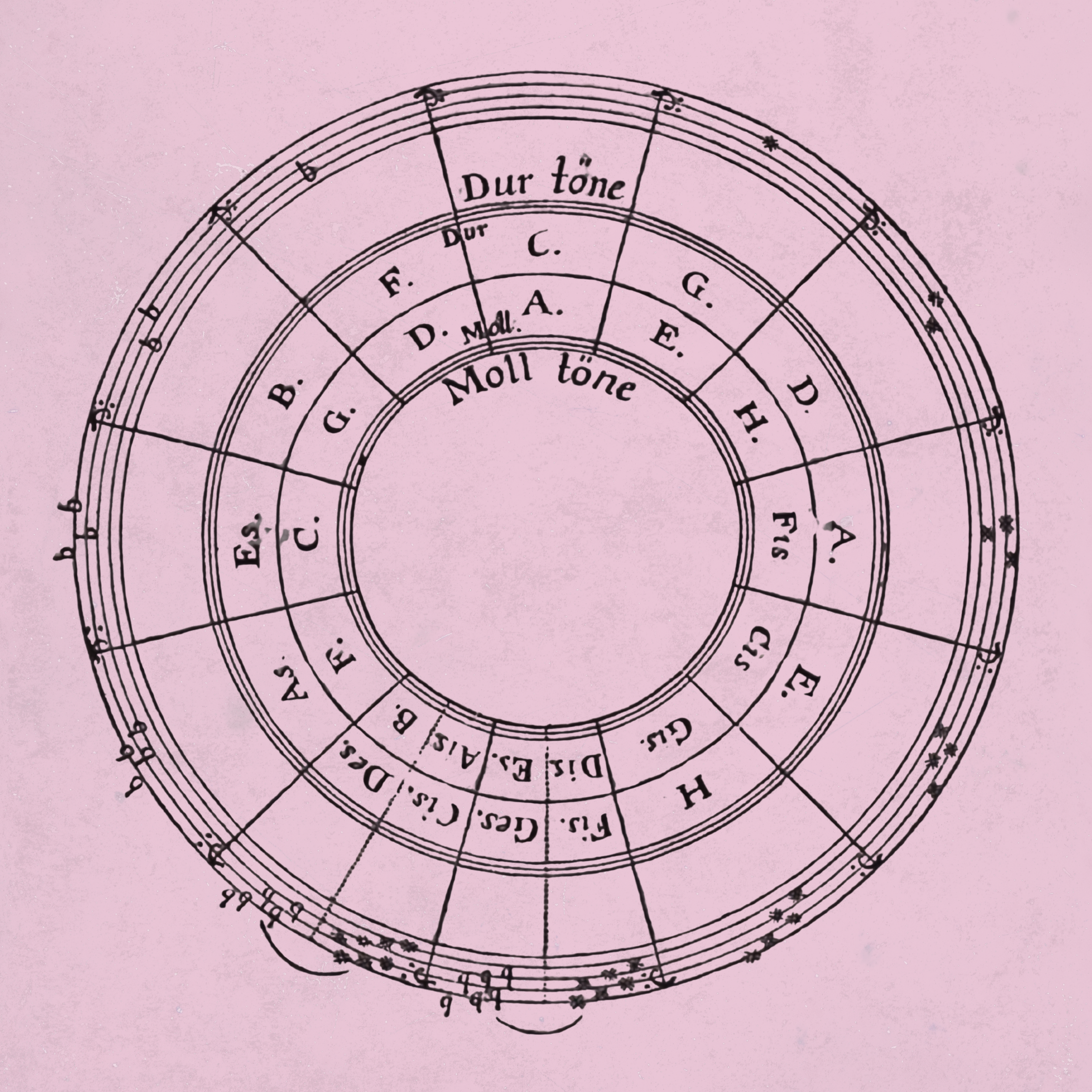
The project comprises twenty-eight preludes—fourteen major and fourteen minor—aligning with the tonal structure represented in an eighteenth-century circular diagram by Johann Samuel Petri (1738–1808). It reflects a longstanding effort within the common-practice tradition to map tonal relationships in geometric form.
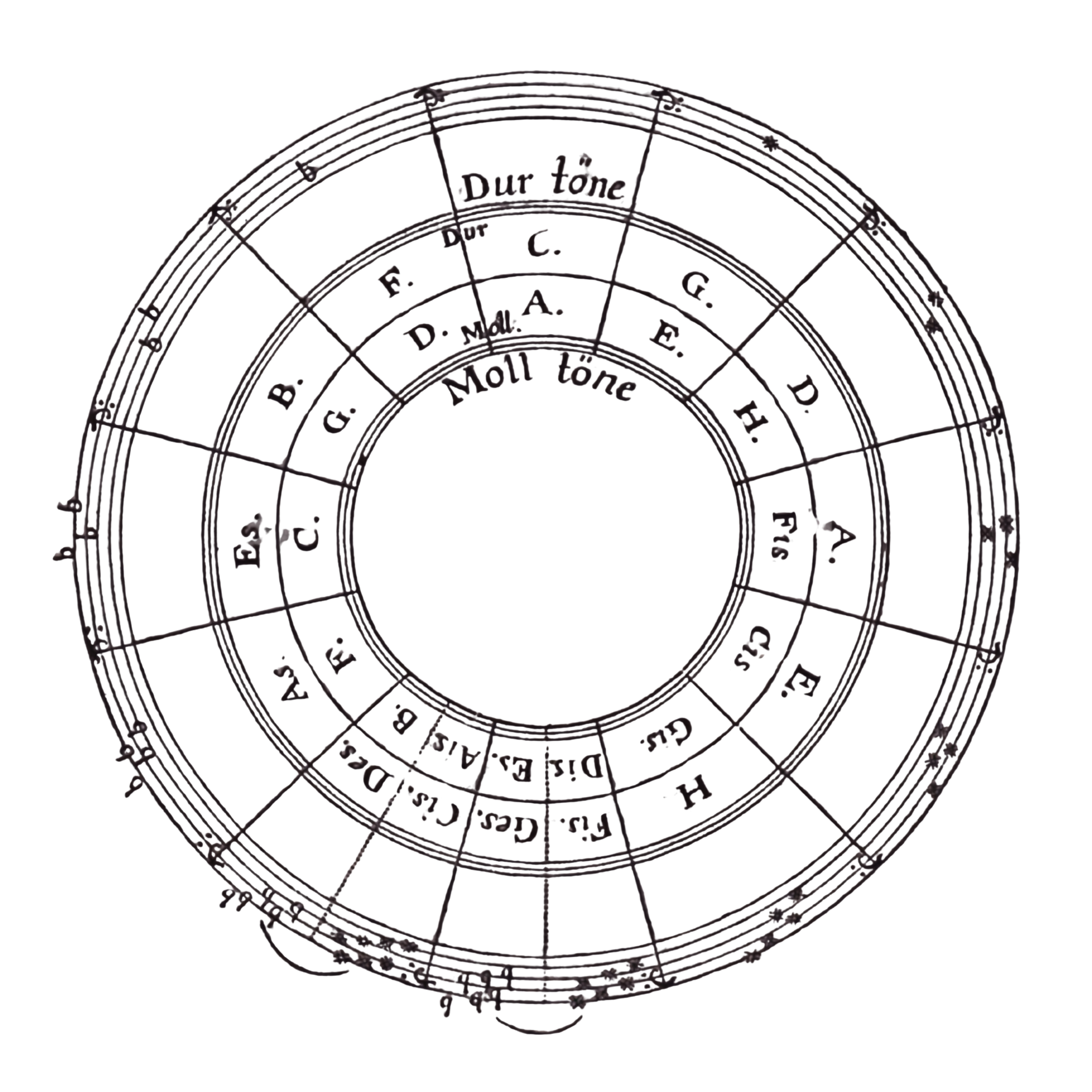
Johann Samuel Petri (1738–1808)
While Chopin’s cycle of twenty-four helped define the prelude in the 19th century, the form itself dates back to the fifteenth and sixteenth centuries, when “preluding” functioned primarily as an improvisatory practice. Performers would play freely before a performance, testing tuning and establishing the tonal center. By the seventeenth century, composers such as Louis Couperin began notating unmeasured preludes that preserved this improvisatory character in written form.
The prelude began as threshold music, positioned at the edge of something about to begin. That idea has personal resonance. In my childhood, growing up in the Mormon church, there was always “prelude music” before sacrament meetings—reverent organ music played as the congregation gathered. It prepared the room.
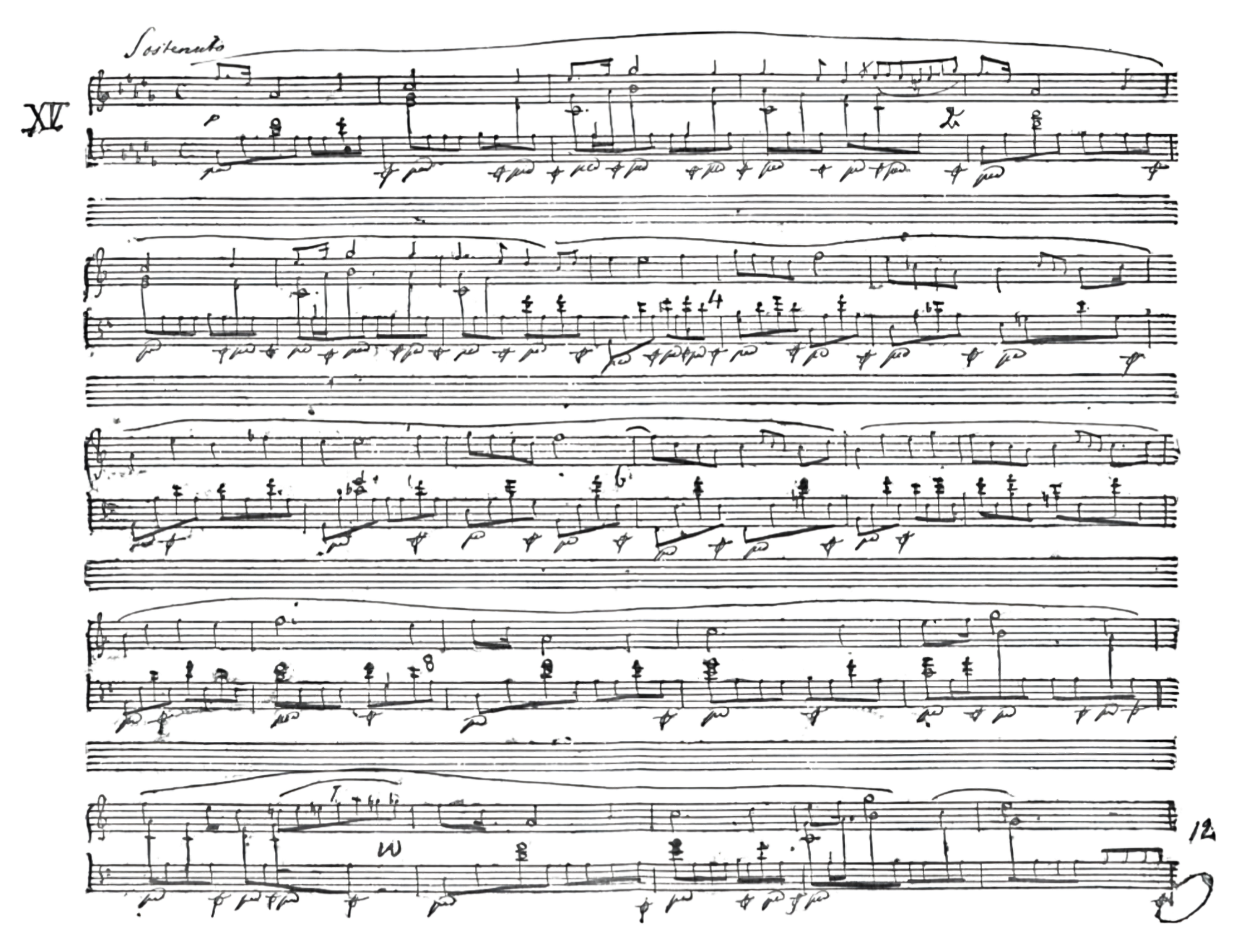
Chopin’s Prélude in D-flat Major, manuscript
By the 19th century, the prelude had become an independent concert form. Composers across the Romantic and early modern eras — including Fauré, Scriabin, Rachmaninoff, Debussy, Shostakovich, and many others expanded it into concise, self-contained works, often gathered into cycles that traversed tonal space.
My doctoral research on Gabriel Fauré’s Préludes, Op. 103, deepened my interest in how the form balances structure with emotional compression. In his later works, Fauré’s writing became more distilled and restrained, often darker than his earlier music, yet no less emotionally resonant. While cycles of preludes are historically common, Pink Preludes is not an attempt to replicate any particular composer’s model. My interest lies in the form itself—its autonomy and its ability to carry emotional depth within a small space.
These preludes sit within a contemporary classical space often described as “soft piano” or “felt piano.” I recorded and produced them myself on my studio instrument. The dynamic range is intentionally restrained—the music never rises above mezzo forte. Where dynamic intensity is limited, the emotional pull comes from textural and rhythmic consistency within the prelude’s simple structure.
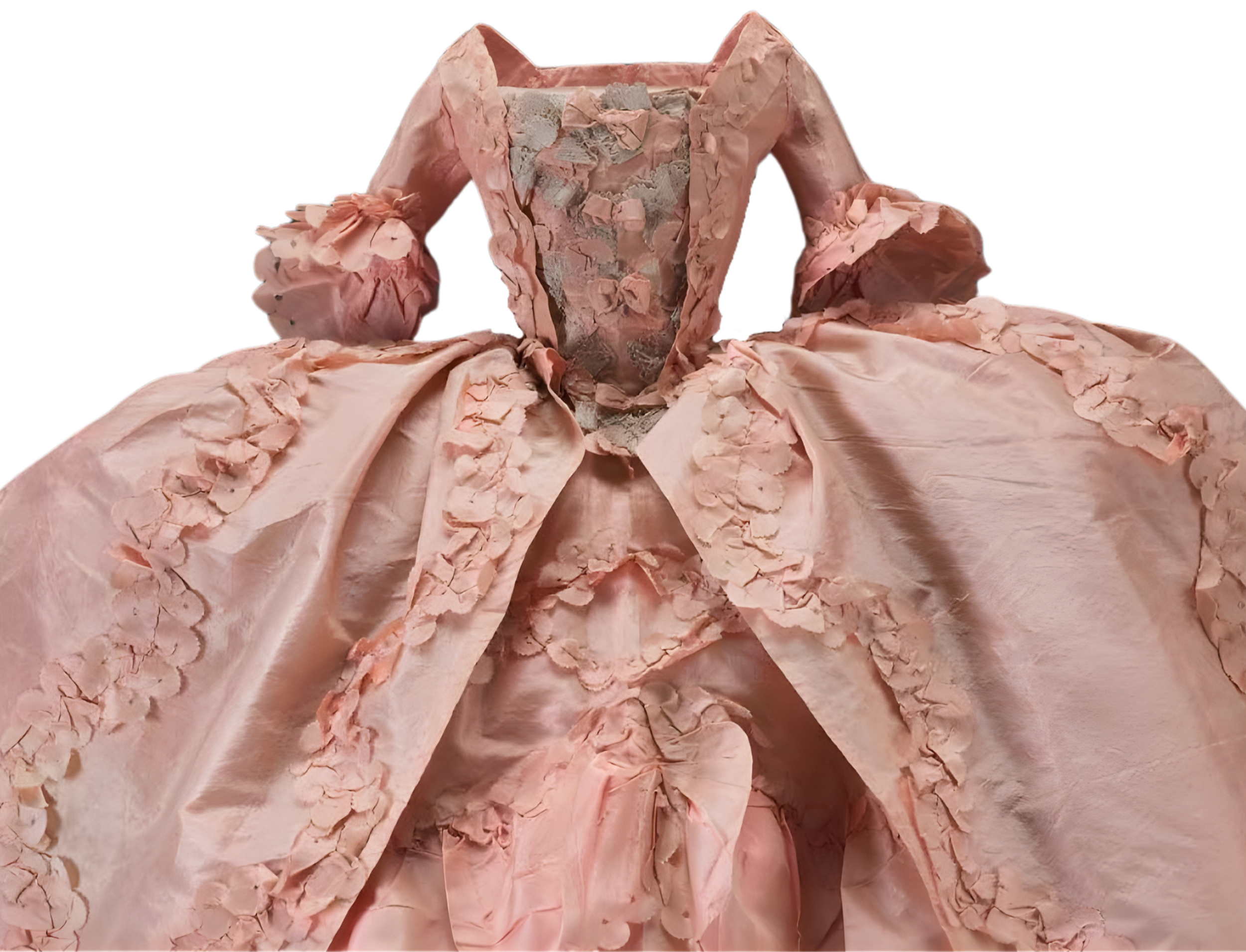
Doll’s dress in two parts, late 18th Century. Silk taffeta.
The title Pink Preludes is intentional. In the 18th century, pink was associated with refinement and cultivated elegance. In contemporary culture, pink has also come to signal care, solidarity, and visibility—particularly within anti-bullying and LGBTQ+ movements such as International Day of Pink. Studies in environmental psychology have linked certain shades of pink to calming effects, reinforcing the reflective tone of the music.
I’m interested in pink as a color that holds vulnerability without weakness.
Each prelude carries a dedication—to people in my life, to relationships, to communities, and to moments we are collectively living through. The works will not be released in tonal order, but the first, Prelude in C Major (For Tate), arrives March 20, 2026. Dedicated to my son Tate and his hometown of Saugatuck-Douglas, Michigan, it opens the cycle in C Major—the tonal center traditionally positioned at the top of circle-of-fifths diagrams—serving as a point of orientation within the larger project.